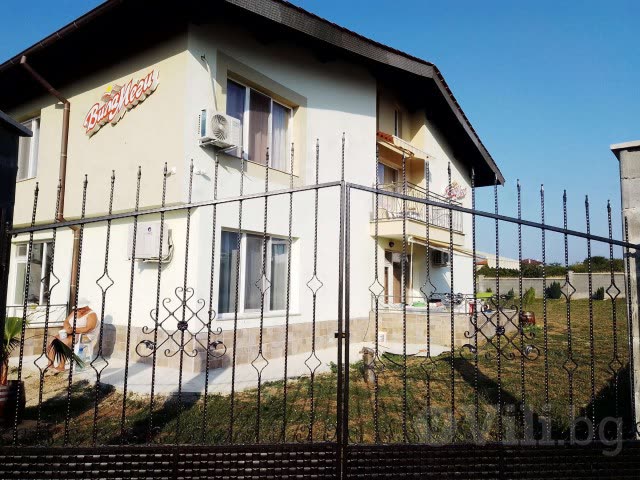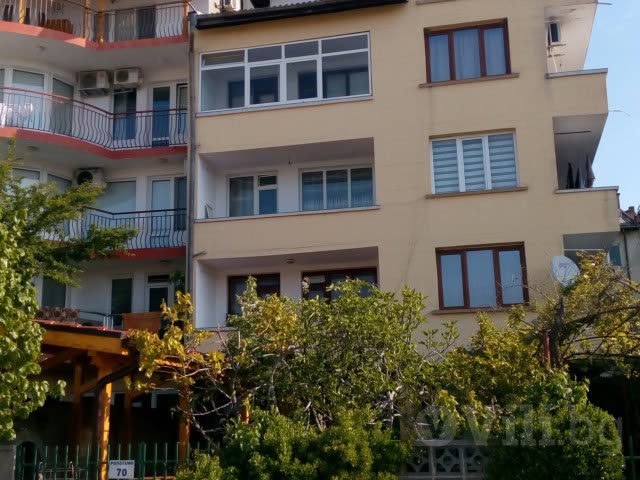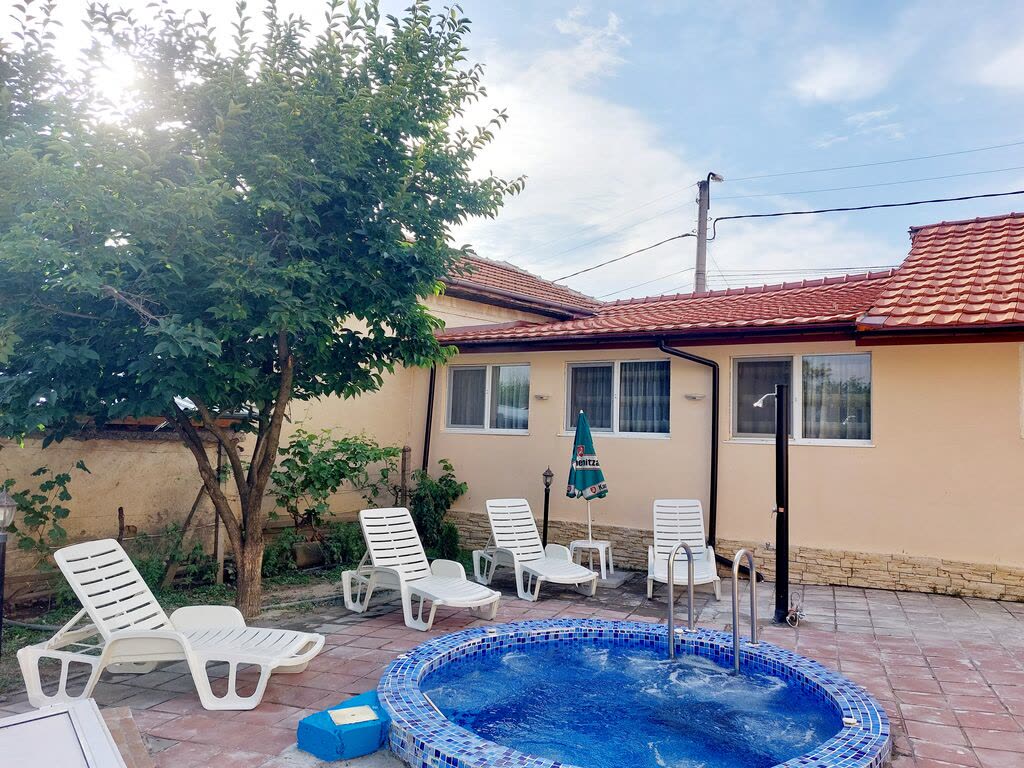
Bulgaria has made wine for over 3,000 years — the Thracians were the first to export theirs with a sense of place. Today the country has two regions like nowhere else: the Struma Valley, with the Melnik grape grown only there, and the Thracian Plain, with the legendary Mavrud. Here is the map, west to east — plus, at every stop, the house you sleep in.
The Struma Valley: Melnik and Churchill
The south-west corner is Bulgaria's warmest wine territory — Mediterranean climate and the sandstone pyramids of Melnik. This is where Shiroka Melnishka Loza grows, the grape behind the wine said to have been Winston Churchill's favourite Bulgarian. It is not a story invented for tourists: it is the tale the region has told for a century.
In Sandanski you sleep at Enevi — and the Melnik pyramids are an afternoon away. Bonus: the country's mildest climate, which we covered in the spa towns article.
The Thracian Plain: Mavrud and Plovdiv
The central south is Mavrud country — the local grape with small berries and thick skins, giving dense, tannic wines sometimes compared to Nebbiolo. The local legend: the mothers of Khan Krum's soldiers put Mavrud in their flasks so they would not desert.
The starting city is Plovdiv — with the house in the villa district at its edge. Day one: a tasting at a winery around the city. Day two: the road towards Asenovgrad and on to Bachkovo monastery, at the foot of the Rhodopes.
The Thracian Valley and Starosel
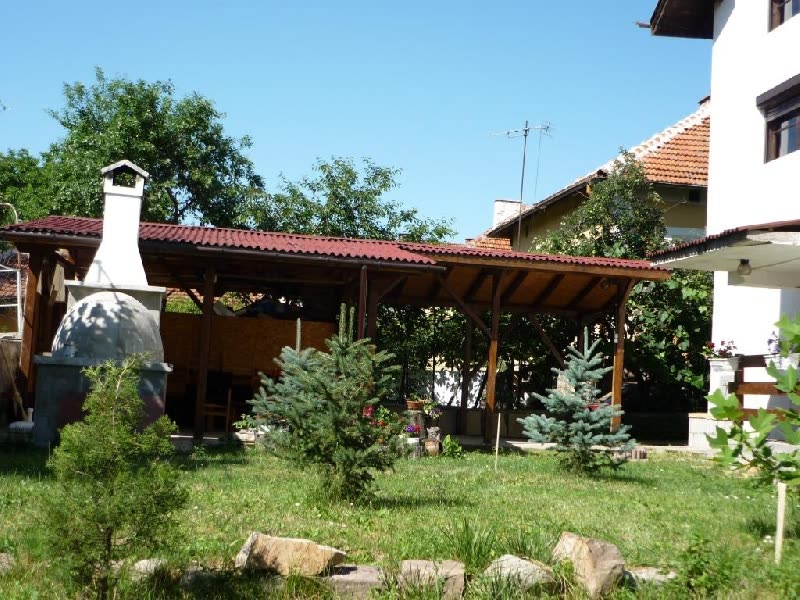
Between Plovdiv and Kazanlak sits Starosel: Bulgaria's largest sacred Thracian complex, a temple under a hill, among vineyards — with wines tasted five minutes from the site. Starosel 2 house and Starosel with fireplace are exactly here; climb to the temple in the morning, taste at noon, BBQ in the yard in the evening.
Thirty minutes away is Hisarya — Roman springs plus the Leila and Stryama houses. A wine-plus-mineral-water itinerary is not a joke here, it is geometry.
What you eat between tastings
The rules of simple and good: local cured meats (lukanka, pastarma), smoked sheep's-milk cheese, Shopska salad with white brined cheese, and tarator in summer. In the south-west: apples and walnuts from the Struma valley. In the Thracian Valley: the roses — in May, Kazanlak turns into a rose-oil field; ask whether the winery also pours a rose wine.
Every house in our catalogue has a full kitchen — the villa kitchen guide walks through the recipes that work best on holiday.
A winery tasting runs about ninety minutes; the drive between two wineries in Bulgaria is 20–40 minutes. Hence the rule: plan at most two tastings a day, and pick accommodation between them, not at the far end.
The regions that complete the map
- The Danube Plain (north) — whites, Gamza, and loyal old plantings of Rkatsiteli.
- The Black Sea (east) — the white Misket region, with villas by the sea: tasting in the morning, swim in the afternoon.
- The Rose Valley — international plus local varieties, with the rose museum at Kazanlak.
One walking tip: in the south-west, two days combine well with Bansko or the trails of Pirin — the evening wine is earned on the mountain during the day.
Five regions, two grapes you find nowhere else, and houses with kitchens at every stop. All that remains is the order you visit them in.