"Sustainable tourism" sounds like an annual report. In Bulgaria it translates simply: stay in a village, in a local owner's house, eat from their garden, and walk the trail behind the yard. Here is what that looks like, concretely.
The reserve villages
Bulgaria has villages declared architectural reserves — Zheravna is the classic: eighteenth-century wooden houses, restored by their owners, no visible concrete. Koprivshtitsa — the town of the Revival, with colourful museum houses. Arbanasi — above Veliko Tarnovo, with merchant mansions. Kovachevitsa — in the Rhodopes, stone houses untouched by the regimes that passed.
They share the same profile: small guest houses, few restaurants, slow roads. We wrote about life in Bulgarian villages — slow tourism is the natural continuation.
The trails: 3,000 marked kilometres
The national marked-trail network runs past 3,000 km; its backbone is Kom–Emine, crossing the Balkan range from the Serbian border to the Black Sea. Mountain-biking crews have their own networks (Bansko, Ribaritsa, Stara Planina). Two EuroVelo routes cross the country: 13 (the former Iron Curtain line, along the western and southern borders) and 6 (along the Danube).
In practice: pick a house in a village at the foot of a mountain and you have three or four marked routes starting out of the yard, with a host-cooked dinner on return.
Guest houses: the direct economy
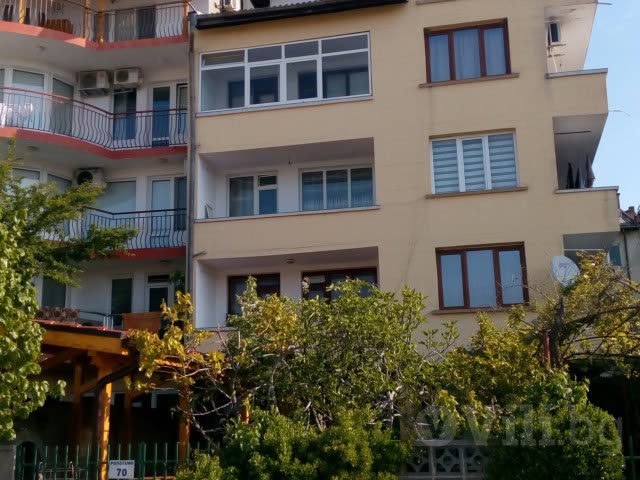
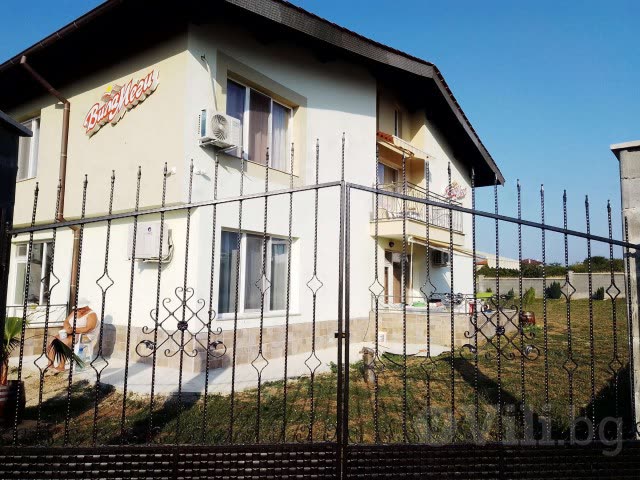
When you rent the Ivanov family's house in Elena, the money stays in the village: the host, the woman who cleans, the old man selling cheese, the handyman fixing the fence. None of this is "eco-resort" marketing — it is the structure of the rural Bulgarian economy, where guest houses are often the only new business of the last thirty years.
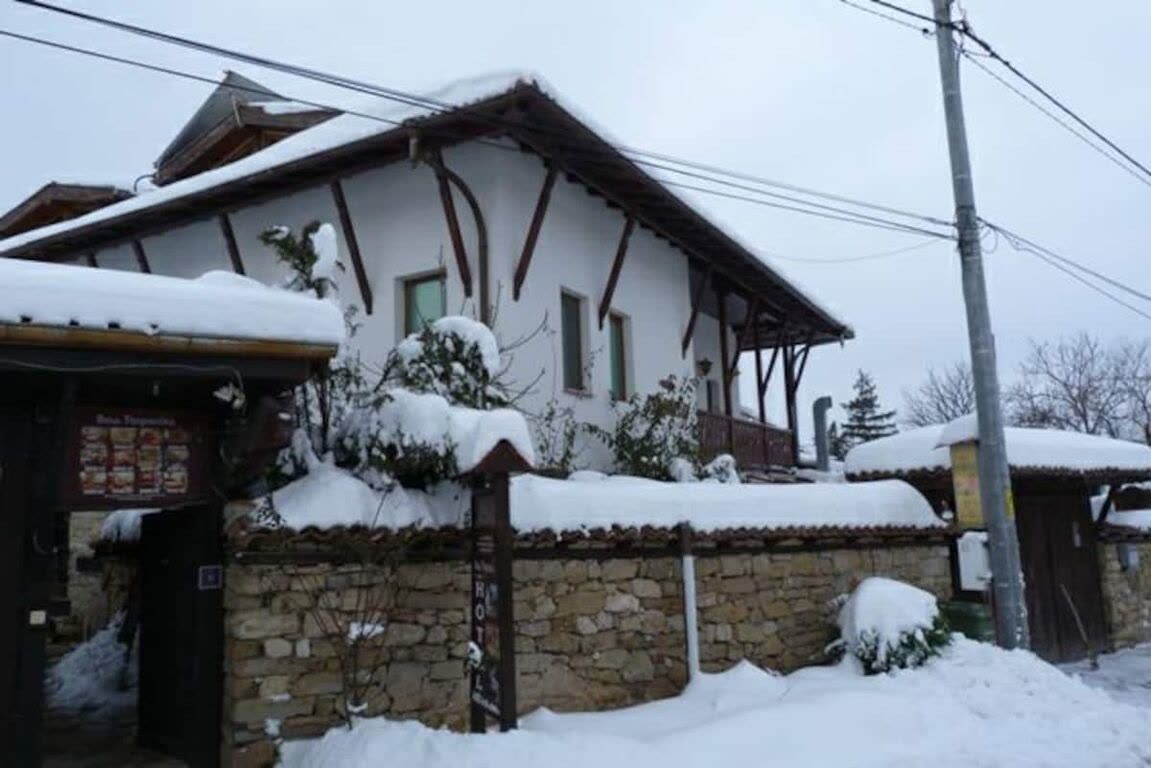
- Dyadovata kashta, Elena — the grandfather's house in the village below the Balkan range.
- Pri Chakara, Arbanasi — fireplace and sauna in the architectural reserve.
- Plevnyata, Apriltsi — at the foot of the mountain with fireplace and sauna, in the northern Balkans.
The food: zero miles, no label
The salad comes from the host's garden, the cheese from a neighbour, the meat from the village over the hill. In Bulgarian villages there is no "zero km" as a brand — there is it because there is no supermarket within 40 km. The kitchen guide runs exactly on the recipes that work with village-market ingredients.
Nature that defends itself
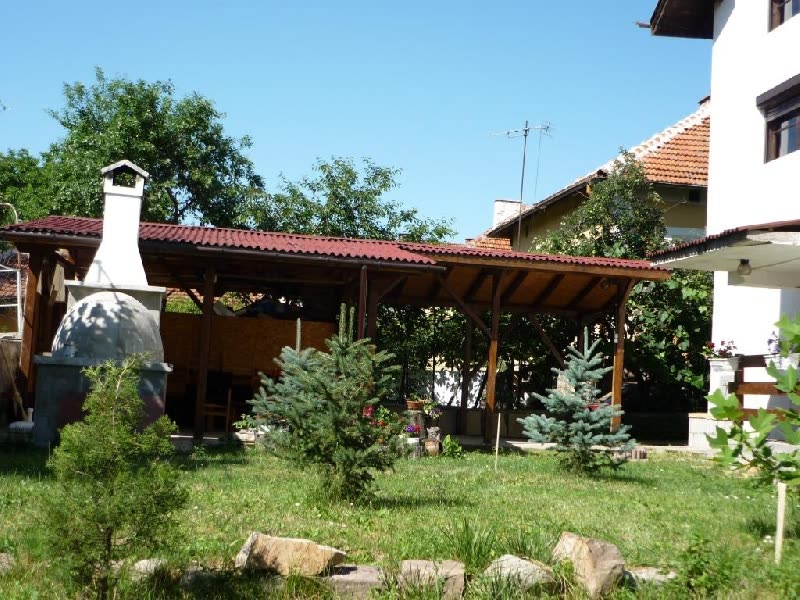
Bulgaria has 3 national parks and 11 nature parks, over a thousand protected areas in total (about 5% of the territory). Rila, Pirin and the Central Balkan all sit within two hours of a house in our catalogue. The slow-tourism rule: the marked trail, the local guide, the BBQ in the house's yard — not the jeep on the trail.
Slow tourism does not mean suffering without comfort; it means the right comfort: a warm house, cooked food, a marked trail, and money that stays in the village hosting you.
A model itinerary, five days
Days 1–2: Veliko Tarnovo plus Arbanasi with Pri Chakara. Day 3: the road through Elena (a stop at Dyadovata kashta) towards Zheravna. Day 4: Kotel and its forest, with the houses of the area. Day 5: back through Tryavna — the woodcarvers' village.
Nothing in the itinerary needs an internal flight, a spa day or imported food. It needs only time — exactly the resource a holiday is supposed to spend.