We set out to write "stories from Bulgarian villages" and realized the facts beat the stories. Every number below comes from the official 2021 census (NSI, the national statistics institute).
1. There are 5,000 villages — and only 257 towns
The census of 7 September 2021 counts 5,257 settlements: 257 towns and 5,000 villages. Almost any dot on the map you're thinking of is a village.
2. Around 200 of them have no residents left
199 settlements are registered with zero inhabitants. The heaviest concentration is in the Gabrovo region (69), followed by Veliko Tarnovo (64) and Kyustendil (11). Villages die, but houses stay — sometimes turned into guest houses just in time.
3. The smallest town has 161 people
Melnik, the wine town at the foot of the Pirin mountains, is officially Bulgaria's smallest town: 161 residents at the census. Most small Bulgarian "towns" would be villages anywhere else.
4. And the largest village has over 6,000
The mirror case: Lozen, next to Sofia, counted 6,471 people — more than double Melnik's population. Town status in Bulgaria is historical, not demographic.
5. More than half the villages have under 200 people
2,561 settlements have between 1 and 199 residents. When you book a villa "in a village", this is most likely what it means: one street, one tavern, one church.
6. A quarter of the country lives in villages
1,737,725 people, or 26.7% — one of the highest rural shares in the EU. It's also why good houses still come at human prices.
7. Every village has its own feast day
The sabor (сбор) — the village feast, usually in high summer or autumn. The day the village fills up: tables in courtyards, music, relatives from the city. If you stumble into a sabor, stay.
8. The architecture points somewhere else entirely
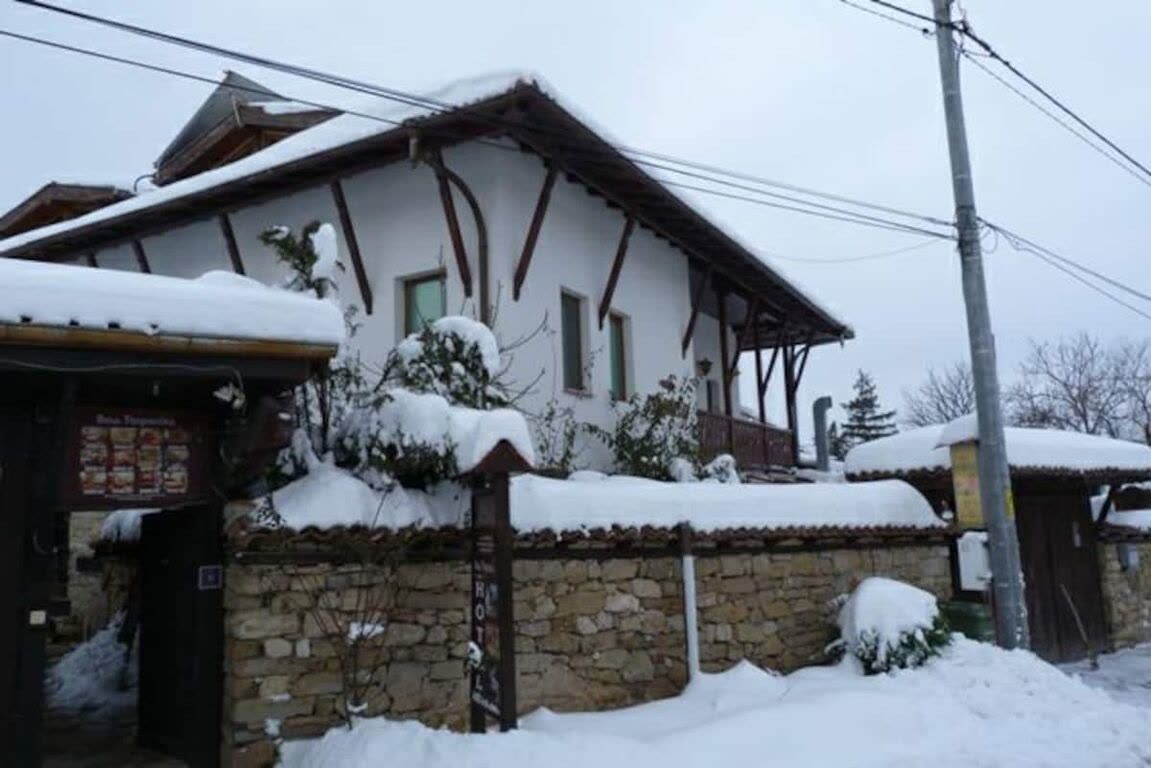
The wooden upper-floor houses of Zheravna, the blue-white houses of Arbanasi, the stone villages of the Rhodopes — every region has its own manual. A late Ottoman century plus the national revival left a landscape you won't mistake for anywhere else.
9. Time works differently
A Bulgarian village runs on the two-clocks rule: shops close when they close, and "what time do you open tomorrow?" gets the answer "in the morning". Stock up on food in advance — or cook at the villa, like most of our guests do.
10. Tourism keeps some of them alive
Every guest house that opens is one more reason for a village not to join the 199. When you book a village villa or house, the money goes straight into somebody's courtyard — not into an investment fund. It's the simplest form of useful tourism.